What is Capacities? Your Personal Knowledge Studio
In an era where information is abundant yet often overwhelming, finding an effective way to manage and retrieve knowledge is crucial. Enter Capacities, a unique platform designed to serve as your personal knowledge studio. Just like an artist’s studio, Capacities provides a space to store, organize, and resurface your information precisely when you need it. This article explores the features, benefits, and practical applications of Capacities, making it an essential tool for bloggers, content creators, and marketing professionals looking to enhance their productivity and knowledge management.
Understanding Capacities
Capacities is an innovative knowledge management tool that allows users to capture, organize, and retrieve information effortlessly. It combines the functionality of a note-taking app with the flexibility of a personal knowledge base, enabling users to create a customized environment for their information. Whether you’re a writer looking to store research, a marketer managing content ideas, or a student organizing study materials, Capacities offers a versatile solution to meet your needs.
Key Features of Capacities
To fully appreciate what Capacities has to offer, let’s delve into its standout features:
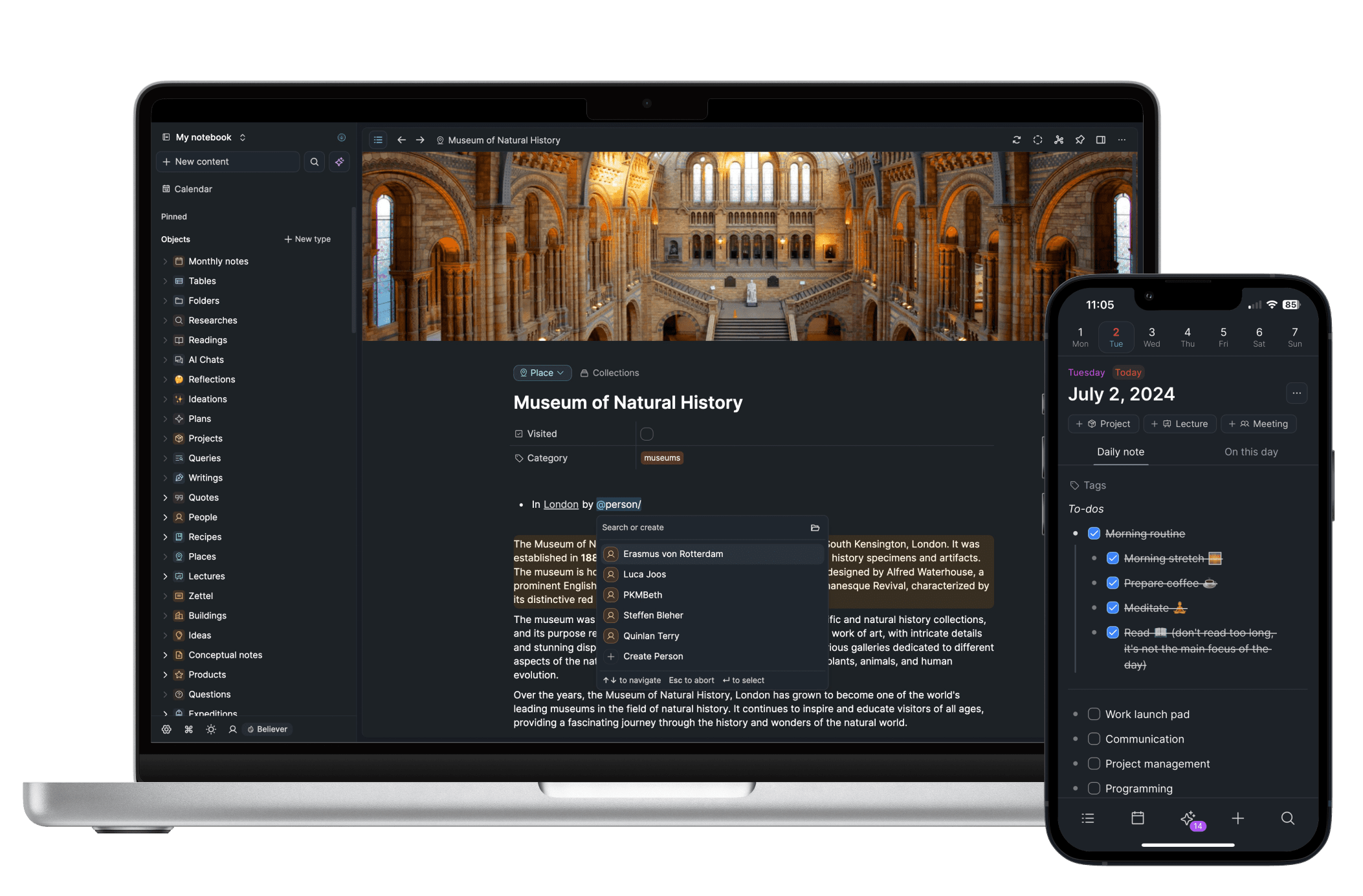
Intuitive Interface: Capacities boasts a user-friendly interface that makes it easy to navigate and manage your information. The clean design allows users to focus on their content without distractions.
Flexible Organization: Users can organize their information in a way that makes sense to them. Capacities allows for the creation of folders, tags, and links, enabling a personalized structure that enhances retrieval.
Smart Resurfacing: One of the most powerful features of Capacities is its ability to resurface information when you need it. The platform uses intelligent algorithms to suggest relevant content based on your current focus, ensuring that you have access to the right information at the right time.
Rich Media Support: Capacities supports various types of content, including text, images, videos, and links. This flexibility allows users to create rich, multimedia notes that enhance understanding and engagement.
Collaboration Tools: For teams and groups, Capacities offers collaboration features that allow users to share information and work together on projects. This functionality is essential for maintaining a cohesive workflow in collaborative environments.
Getting Started with Capacities
For those new to Capacities, getting started is straightforward. Here’s a step-by-step guide to help you set up your knowledge studio.
Sign Up and Create Your Account
Visit Capacities: Go to the Capacities websiteand click on the “Sign Up” button.
Create an Account: You can sign up using your email address or connect with your Google account for a quicker registration process.
Set Up Your Profile: Once you’ve created your account, take a moment to set up your profile. This step helps personalize your experience and allows you to connect with other users.
Creating Your First Knowledge Base
To create your first knowledge base in Capacities:
Click on “New Space”: From your dashboard, click on the “New Space” button to start organizing your information.
Add Folders and Tags: Create folders to categorize your information. You can also add tags to your notes for easy retrieval later.
Start Adding Content: Click on the “New Note” button to create your first note. Use the rich text editor to format your content, add images, and include links.
Utilize Smart Resurfacing: As you add content, Capacities will begin to learn your preferences and suggest relevant notes based on your current focus.
Organizing Your Information
Capacities allows you to organize your information in a way that suits your workflow. Here’s how to make the most of its organizational features:
Create a Hierarchical Structure: Use folders to create a hierarchy for your information. For example, you might have a main folder for “Marketing” with subfolders for “Content Ideas,” “Campaigns,” and “Analytics.”
Use Tags for Quick Access: Tags are a powerful way to categorize your notes. Use descriptive tags that reflect the content of your notes, making it easier to find related information later.
Link Related Notes: Capacities allows you to create links between notes, enabling you to connect related ideas and concepts. This feature enhances the depth of your knowledge base and makes it easier to navigate.
Advanced Features of Capacities
Once you’re comfortable with the basics, you can explore Capacities’ advanced features to enhance your knowledge management experience.
Collaboration and Sharing
Capacities offers robust collaboration tools that allow users to work together on projects. Here’s how to leverage these features:
Share Your Spaces: You can share your knowledge spaces with team members or collaborators. This feature is essential for maintaining a cohesive workflow in collaborative environments.
Commenting and Feedback: Collaborators can leave comments on notes, providing feedback and suggestions. This functionality enhances communication and helps refine ideas.
Smart Search Functionality
Finding information quickly is crucial in any knowledge management system. Capacities offers a powerful search feature that allows users to locate notes and content effortlessly. Here’s how to make the most of it:
Use Keywords: When searching for notes, use relevant keywords to narrow down your results. Capacities will display notes that match your search criteria.
Filter by Tags and Folders: You can filter your search results by tags and folders, making it easier to find specific information within your organized structure.
Integrations with Other Tools
Capacities integrates with various productivity tools, enhancing its functionality and allowing for a seamless workflow. Here are some popular integrations:
Google Drive: Connect your Google Drive account to access and link documents directly within your notes.
Slack: Use the Slack integration to share notes and updates with your team, keeping everyone informed and engaged.
Zapier: With Zapier integration, you can automate tasks and connect Capacities with other apps you use, streamlining your workflow.
Use Cases for Capacities
Capacities is suitable for a wide range of applications, making it a versatile choice for various users. Here are some common use cases:
Knowledge Management for Professionals
For professionals, Capacities serves as an excellent tool for managing knowledge and resources. Users can store research, articles, and insights in a structured manner, making it easy to access information when needed.
Content Creation and Blogging
Bloggers and content creators can leverage Capacities to organize their ideas, research, and drafts. The ability to link related notes and use smart resurfacing ensures that content creators have the information they need at their fingertips.
Project Management
Capacities can be used for project management by creating dedicated spaces for different projects. Users can store project plans, timelines, and resources, ensuring that all information is organized and easily accessible.
Educational Use
Students and educators can benefit from Capacities by using it to create study guides, lesson plans, and research notes. The ability to organize information and resurface relevant content enhances the learning experience.
Best Practices for Using Capacities
To maximize your experience with Capacities, consider implementing these best practices:
Regularly Review and Update Your Notes
Set aside time each week to review and update your notes. This practice helps ensure that your information remains relevant and organized.
Embrace the Tagging System
Utilize Capacities’ tagging system to categorize your notes effectively. This organization will make it easier to access and manage your information.
Experiment with Linking Notes
Take advantage of the linking feature to connect related notes. This practice enhances the depth of your knowledge base and makes it easier to navigate.
Backup Your Information
While Capacities is a reliable platform, it’s always a good idea to back up your information regularly. Export your notes periodically to ensure you have a copy of your knowledge base.
Common Questions About Capacities
Is Capacities free to use?
Capacities offers a free version with basic features, while a premium subscription provides access to advanced features and additional storage.
Can I collaborate with others on Capacities?
Yes, Capacities allows users to share their knowledge spaces and collaborate with others in real-time.
Does Capacities support multimedia content?
Yes, Capacities supports various types of content, including text, images, videos, and links, allowing for rich, multimedia notes.
How does Capacities compare to other knowledge management tools?
Capacities stands out due to its intuitive interface, smart resurfacing capabilities, and flexible organization options, making it a preferred choice for many users.
Conclusion: Create Your Knowledge Studio with Capacities
Capacities is more than just a knowledge management tool; it’s a powerful platform that empowers users to capture, organize, and retrieve information effortlessly. With its intuitive interface, smart resurfacing features, and collaboration capabilities, Capacities is an ideal choice for bloggers, content creators, and professionals looking to enhance their productivity and knowledge management.