What is Asana? The Ultimate Project Management Tool for Teams
In today’s fast-paced business environment, effective project management is crucial for success. Teams need tools that help them stay organized, track progress, and meet deadlines. Asana is a powerful project management platform designed to help teams manage their work efficiently. With features that allow users to see project progress, track individual tasks, plan sprints, and integrate with other tools, Asana empowers teams to achieve successful launches and maintain productivity. In this comprehensive guide, we will explore Asana’s features, benefits, and best practices, helping you understand how to leverage this tool for your projects.
Understanding Asana: The Basics
Asana is a web-based project management tool that enables teams to organize, track, and manage their work. Founded in 2008 by Dustin Moskovitz and Justin Rosenstein, Asana has grown to become one of the leading project management solutions, used by millions of teams worldwide. The platform is designed to facilitate collaboration, improve communication, and enhance productivity, making it suitable for teams of all sizes and industries.
Key Features of Asana
Asana offers a wide range of features that make it a versatile project management tool:
Task Management: At the core of Asana is its task management functionality. Users can create tasks, assign them to team members, set due dates, and track progress. Tasks can be organized into projects, allowing teams to manage multiple initiatives simultaneously.
Project Views: Asana provides various project views, including list view, board view, calendar view, and timeline view. This flexibility allows teams to choose the view that best suits their workflow and preferences.
Subtasks and Dependencies: Users can break tasks down into subtasks, making it easier to manage complex projects. Additionally, Asana allows users to set dependencies between tasks, ensuring that team members understand the order in which tasks need to be completed.
Custom Fields: Asana enables users to create custom fields to capture specific information relevant to their projects. This feature allows teams to tailor the platform to their unique processes and requirements.
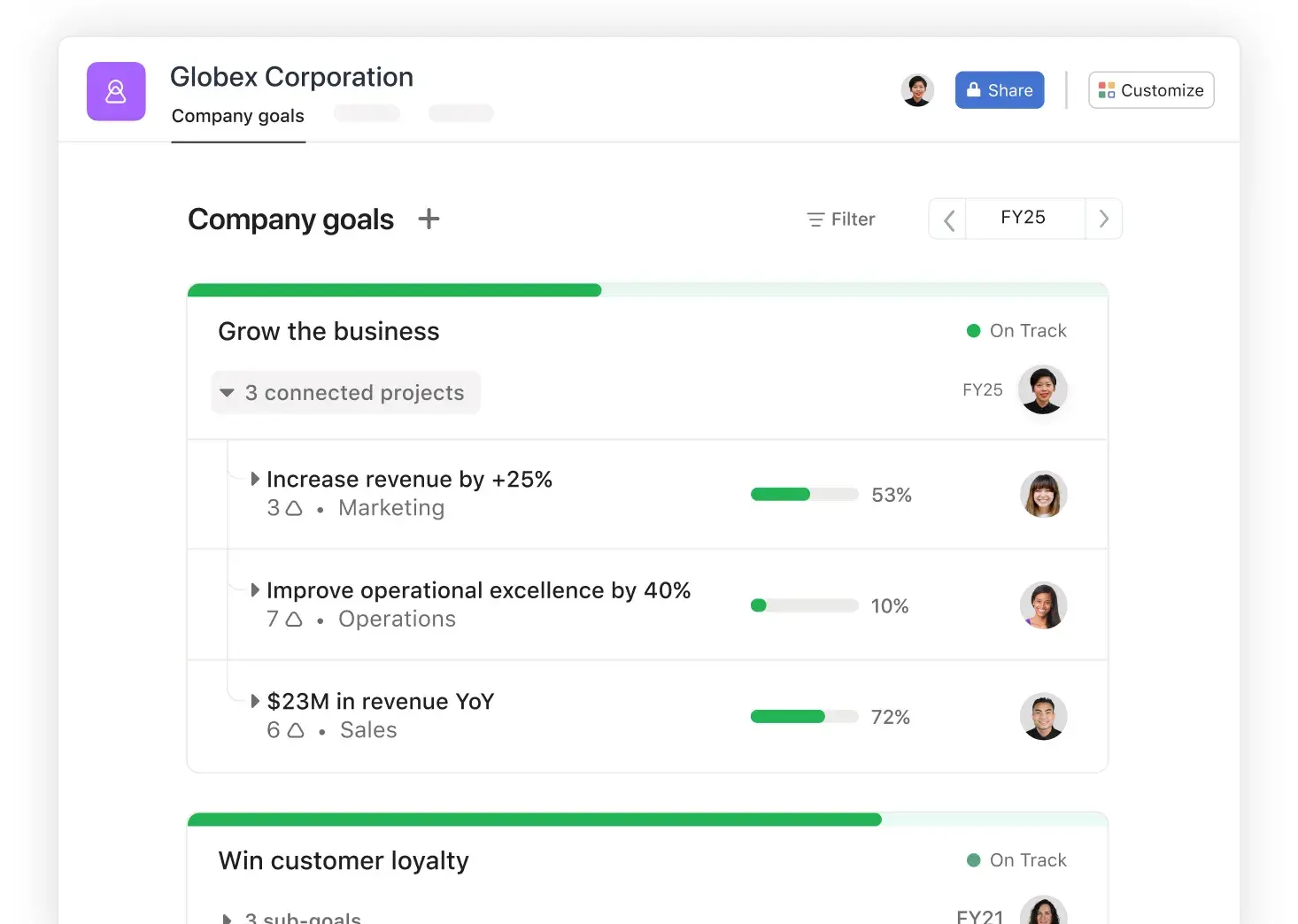
Goals and Milestones: Asana helps teams set and track goals and milestones, providing a clear overview of project progress. This functionality ensures that everyone is aligned and focused on achieving key objectives.
Integrations: Asana integrates seamlessly with a wide range of third-party applications, including Slack, Google Drive, and Microsoft Teams. These integrations enhance collaboration and streamline workflows by connecting Asana with the tools teams already use.
Reporting and Analytics: Asana provides reporting and analytics features that allow teams to track performance and measure progress. Users can generate reports on task completion rates, project timelines, and team productivity, helping them make data-driven decisions.
Why Use Asana for Your Projects?
Stay Organized
One of the primary advantages of Asana is its ability to help teams stay organized. By providing a centralized platform for task and project management, Asana ensures that all team members have access to the information they need. This organization reduces confusion and enhances collaboration.
Improve Collaboration
Asana’s collaboration features foster teamwork and communication. Team members can comment on tasks, mention each other, and receive notifications about updates. This level of transparency helps build trust within the team and ensures that everyone is informed about project developments.
Increase Productivity
With Asana’s task management and reporting capabilities, teams can optimize their workflows and focus on what matters most. By providing visibility into task progress and resource allocation, Asana helps teams identify bottlenecks and make informed decisions to enhance productivity.
Flexibility and Customization
Asana’s customizable workflows and views allow teams to tailor the platform to their specific needs. Whether you prefer a Kanban board, Gantt chart, or list view, Asana can adapt to your preferred working style, making it easier to manage projects effectively.
Goal Alignment
Asana’s goal-setting features help teams align their efforts with organizational objectives. By tracking goals and milestones, teams can ensure that everyone is focused on the right priorities, driving accountability and performance.
How to Get Started with Asana
Getting started with Asana is straightforward. Here’s a step-by-step guide to help you begin your project management journey:
Step 1: Sign Up for Asana
Begin by signing up for an Asana account. The platform offers a free plan, allowing you to explore its features before committing to a paid subscription.
Step 2: Set Up Your Workspace
Once you’ve created an account, set up your workspace by inviting team members and configuring your settings. Asana’s user-friendly interface makes it easy to get started.
Step 3: Create Your First Project
With your workspace set up, create your first project. Define the project’s goals, timelines, and key milestones. This initial setup will provide a clear direction for your team as you begin working on the project.
Step 4: Add Tasks and Assign Responsibilities
Start adding tasks to your project. Use Asana’s task management features to categorize and prioritize tasks, ensuring that your team knows what needs to be done and when. Assign tasks to team members to clarify responsibilities.
Step 5: Collaborate and Communicate
Encourage team members to collaborate and communicate within Asana. Use comments, mentions, and notifications to keep everyone informed and engaged. This transparency will help build trust and improve team dynamics.
Step 6: Monitor Progress and Adjust
As your team works on the project, monitor progress using Asana’s reporting and analytics features. Regularly review your project’s status and make adjustments as needed to stay on track.
Best Practices for Using Asana
To maximize the effectiveness of Asana, consider the following best practices:
Define Clear Goals
Before starting a project, define clear goals and objectives. This clarity will help your team stay focused and aligned throughout the development process.
Prioritize Tasks Effectively
Use Asana’s prioritization features to ensure that your team is working on the most important tasks first. Regularly review and adjust priorities based on changing circumstances and feedback.
Foster Open Communication
Encourage open communication among team members. Use Asana’s commenting and collaboration features to facilitate discussions and share updates. This transparency will help build trust and improve team dynamics.
Regularly Review Performance
Take advantage of Asana’s reporting and analytics features to regularly review your team’s performance. Use this data to identify areas for improvement and implement changes to enhance your processes.
Stay Agile
In the fast-paced world of project management, agility is crucial. Use Asana’s customizable workflows and project management features to adapt to changing requirements and market conditions.
Case Studies: Successful Implementations of Asana
Case Study 1: Airbnb
Airbnb adopted Asana to streamline its project management processes. By using Asana’s task management and collaboration features, the company was able to improve communication among its teams. This implementation led to a significant increase in productivity and faster delivery of new features.
Case Study 2: NASA
NASA utilized Asana to coordinate its projects and manage tasks across various teams. The platform’s customizable workflows and integrations with other tools allowed NASA to enhance collaboration and ensure that all team members were aligned on project goals. This approach improved efficiency and accountability within the organization.
Frequently Asked Questions
Q: Is Asana free to use? A: Asana offers a free plan, allowing you to explore its features before committing to a paid subscription.
Q: Do I need technical skills to use Asana? A: No, Asana is designed for users of all skill levels. Its intuitive interface makes it easy to navigate and use.
Q: Can I integrate Asana with other tools? A: Yes, Asana integrates seamlessly with popular tools such as Slack, Google Drive, and Microsoft Teams, allowing you to connect your workflows and enhance collaboration.
Q: Are there customizable workflows in Asana? A: Absolutely! Asana allows you to create custom task statuses, fields, and templates to match your team’s unique processes.
Looking Ahead: The Future of Project Management with Asana
As the demand for effective project management tools continues to grow, Asana is at the forefront of this trend, providing teams with the tools they need to streamline their workflows and enhance collaboration. By empowering teams to manage tasks, track progress, and achieve their goals effectively, Asana helps businesses drive innovation and success.